
High Risk Pregnancy
A high-risk pregnancy does not always mean something is wrong but it can bring extra uncertainty. It may simply mean you or your baby need closer monitoring, additional planning or more specialised care. With advanced training in high-risk obstetrics and more than 30 years of clinical experience, Dr Peter Jurcevic provides calm, individualised care throughout your pregnancy.
 Contact Us
On this page
What Does a High-Risk Pregnancy Actually Mean?
A pregnancy may be considered high-risk for many different reasons. Sometimes this is known from the beginning because of your medical history or a previous pregnancy. In other cases, something is identified through screening, ultrasound or as your pregnancy progresses.
For some women, being high-risk may mean a few additional appointments or scans. For others, it can involve closer monitoring throughout pregnancy or input from other specialists. The important thing is understanding what needs closer attention in your pregnancy and what, if anything, that changes about your care. Here are some of the more common risk factors Dr Peter helps women manage:
Maternal Factors
Pre-existing medical conditions such as high blood pressure, diabetes or autoimmune conditions may mean you and your baby need closer monitoring. Your age, medical history or previous surgery can also influence the care recommended during pregnancy.
Twins or Multiple Pregnancy
Carrying twins, triplets or more naturally increases the level of monitoring required, including more frequent scans and closer tracking of growth for each baby.
Previous Pregnancy Complications
A history of pre-eclampsia, premature birth, cervical concerns or other complications may influence how closely a subsequent pregnancy is monitored.
Your Baby’s Growth or Development
Sometimes screening or ultrasound identifies something that needs closer attention, such as concerns around your baby’s growth, position or development.
Previous Pregnancy Loss
If you have experienced recurrent miscarriage or a previous pregnancy loss, there may be reasons for additional monitoring. Dr Peter also understands that pregnancy after loss can bring its own questions and uncertainty, even when everything is progressing well.
Conditions That Develop During Pregnancy
Some complications only become apparent as pregnancy progresses. These may include gestational diabetes, pre-eclampsia or placental complications.
What Does Closer Monitoring Look Like?
There is no single high-risk pregnancy care plan because every pregnancy is different. Depending on your circumstances, your care may include more frequent appointments, additional ultrasounds, blood tests or input from another specialist. Some women only need closer observation at certain stages, while others benefit from more regular review throughout pregnancy. Dr Peter will explain what additional monitoring is being recommended and why. Your care can then adapt as your pregnancy progresses rather than following a fixed schedule simply because it has been labelled high-risk.
Continuity When Things Change
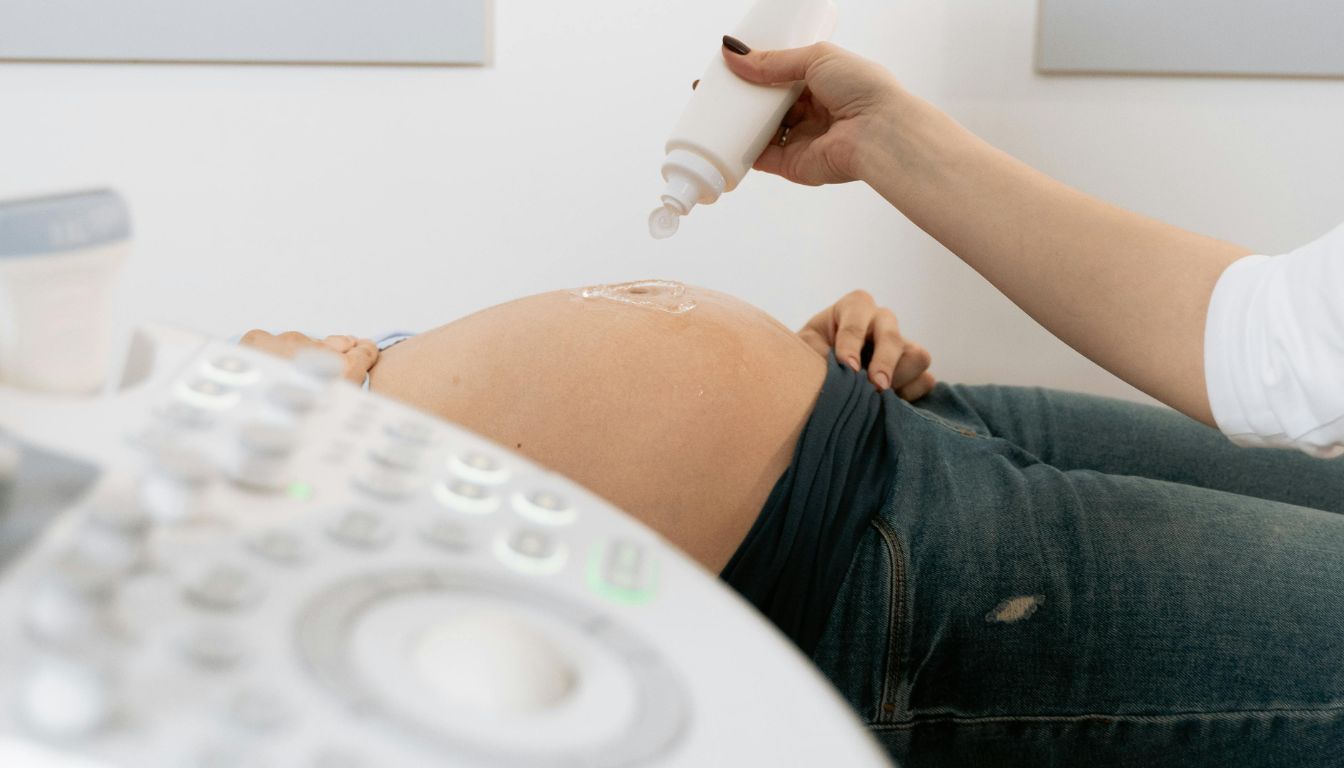
Continuity can become particularly important when a pregnancy needs closer attention. Dr Peter follows your pregnancy over time, so each appointment builds on what has come before. He understands your medical history, what previous scans and investigations have shown and whether anything has changed since your last visit. If something new is identified, you can talk through what it means and what happens next with an obstetrician who already understands the broader picture of your pregnancy. For some women, that continuity provides reassurance. For others, it becomes particularly valuable when a pregnancy takes an unexpected turn.
Already Partway Through Your Pregnancy?
Sometimes the need for more specialised care only becomes clear as a pregnancy progresses. If something has recently been identified or you have been referred by your GP, shared-care provider or another specialist, it may still be possible to transfer your care to Dr Peter.
Dr Peter will review your pregnancy history, existing scans, blood tests and other investigations before discussing what additional monitoring or care may be appropriate from here. This also helps avoid unnecessarily repeating investigations where suitable results are already available. Every situation is different, so it is worth getting in touch as early as possible if you are considering transferring your care.
Planning Your Birth
Being considered high-risk does not automatically mean you will need a caesarean birth. How and when your baby is born will depend on why your pregnancy needs closer monitoring, how you and your baby are progressing and what happens as you approach the later stages of pregnancy.
For some women, a vaginal birth may remain entirely appropriate. For others, induction or a planned caesarean may become the safer option. Dr Peter will continue to talk through these options with you as your pregnancy progresses. The aim is not to make every decision early but to make sure you understand your options and why the plan may sometimes need to change as more information becomes available.
High-Risk Pregnancy Care at Frances Perry House
Dr Peter delivers at Frances Perry House, a private maternity hospital located within The Royal Women’s Hospital precinct in Parkville. For a pregnancy that may need additional monitoring or specialist support, receiving your private maternity care within this broader women’s health precinct can be particularly reassuring. As Head of Obstetrics at The Royal Women’s Hospital, Dr Peter also works within this specialist maternity environment alongside his private obstetric practice. His experience across both settings forms an important part of the care he provides for women with more complex pregnancies.
High-Risk Pregnancy Care with Dr Peter
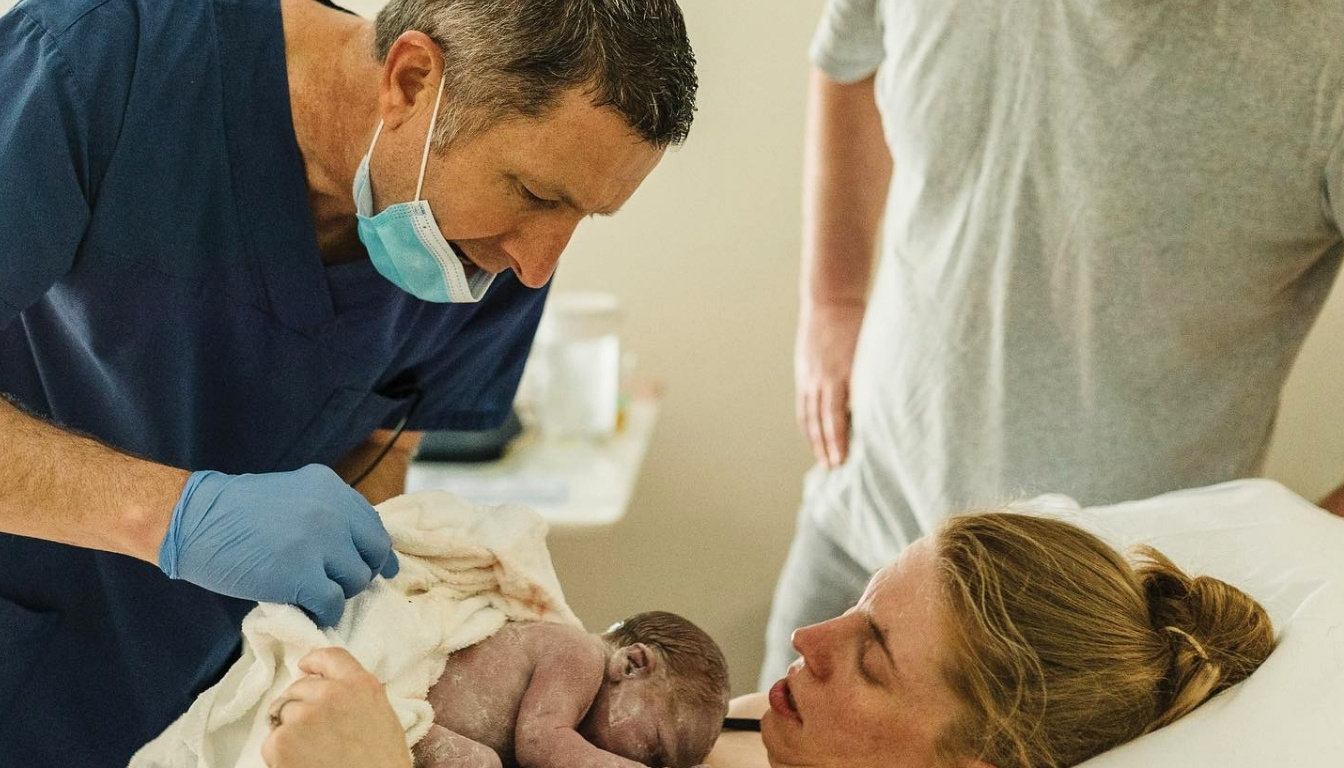
With more than 30 years of experience in obstetrics and gynaecology, Dr Peter has cared for women across both routine and complex pregnancies. His advanced training in high-risk obstetrics, together with his roles at Frances Perry House and The Royal Women’s Hospital, gives him extensive experience managing pregnancies that need closer monitoring or more specialised care. Continuity remains central to his approach. Dr Peter follows your pregnancy over time, so decisions are made with an understanding of your history, what has changed and what matters to you.
Start Your Pregnancy Journey
Dr Peter takes on a limited number of obstetric patients each year so he can maintain the continuity and individual attention that are particularly important when a pregnancy needs closer monitoring.
If you have recently been told your pregnancy is high-risk or you are looking for more specialised obstetric care, we encourage you to get in touch early to discuss your circumstances and Dr Peter’s availability.
Frequently Asked Questions
Will I see the same obstetrician at every appointment and at the birth?
Yes. Dr Peter is your one consistent specialist from your first appointment through to delivery, he will be the one present at your birth.