
Pre-Pregnancy Planning
Planning a pregnancy can bring up questions well before you start trying. You may be wondering whether your medications need reviewing, whether an existing condition could affect pregnancy or whether there is anything worth checking beforehand. Dr Peter provides pre-pregnancy care in Melbourne to help women review their health, identify anything that may need attention and prepare for pregnancy with a clearer understanding of what is relevant to them.
 Contact Us
On this page
Your Health Before Pregnancy
Most women do not need to make major changes before trying for a baby. But if you have an ongoing health condition, it is worth looking at how well it is controlled and whether pregnancy is likely to change the way it needs to be managed. This may be relevant if you have diabetes, high blood pressure, a thyroid condition or another health issue that requires ongoing care.
Previous pregnancies can also tell us something useful. If you have experienced pre-eclampsia, gestational diabetes, premature birth, miscarriage or another complication, Peter can look at what happened and whether there is anything worth doing differently before or during your next pregnancy. The aim is simply to go into pregnancy knowing that anything important has already been considered.
Your Gynaecological Health
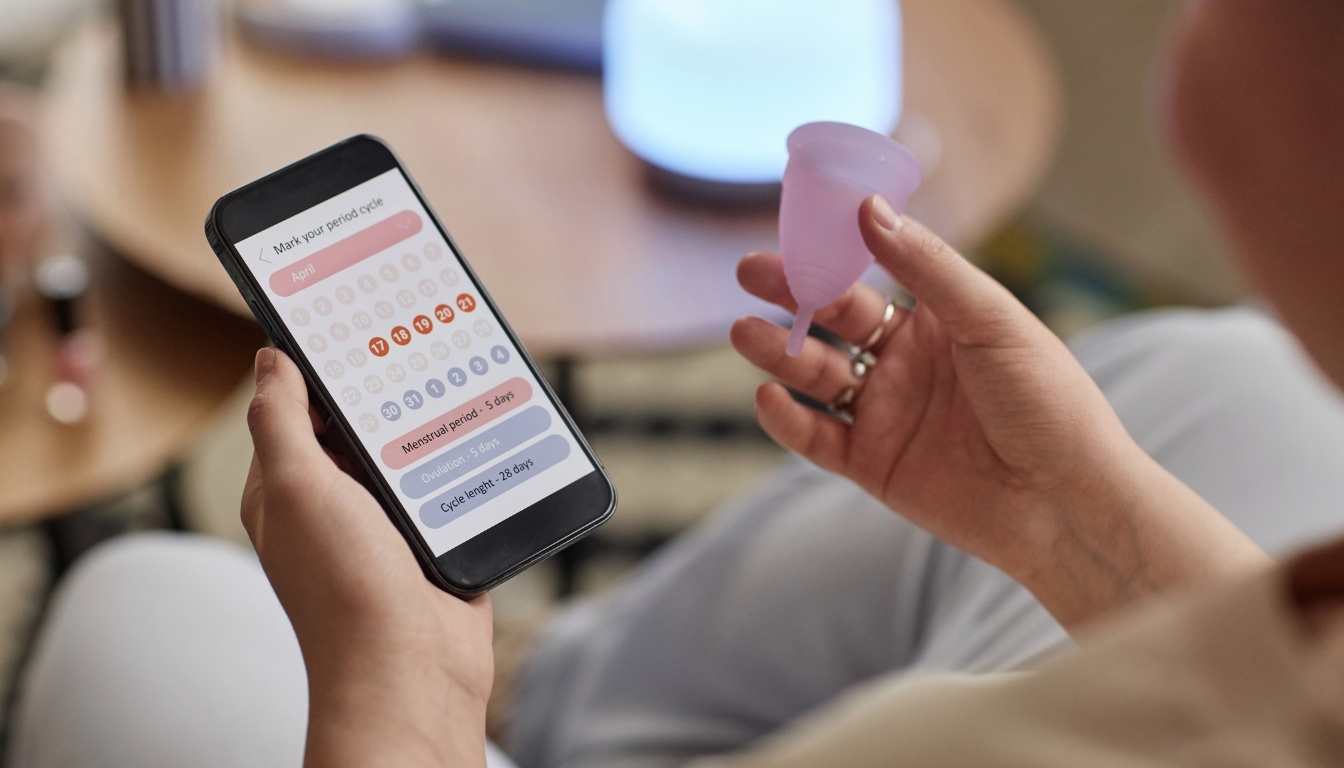
Your menstrual cycle can offer useful clues before pregnancy. If your periods are very irregular, frequently missed or particularly painful, it may be worth understanding why before you start trying. Conditions such as PCOS and endometriosis can affect ovulation or fertility for some women, while fibroids, previous surgery or other gynaecological concerns may also be relevant depending on your history. Peter can review anything that may need attention beforehand, so you are not trying to work through those questions once you are already pregnant.
Explore PCOS →
Explore Endometriosis →
Medications & Vaccinations
If you take regular medication, it is worth reviewing it before pregnancy rather than waiting until you have a positive test. Some medications can be continued, while others may need to be changed or adjusted. It is important not to stop prescribed medication without discussing it first.
It is also a good time to check that your vaccinations are up to date. Depending on your history, this may include:
- Measles, mumps and rubella (MMR)
- Chickenpox (varicella)
- Hepatitis B
- Influenza
- COVID-19
MMR and chickenpox vaccines cannot be given during pregnancy, so if you are not immune, they are best dealt with beforehand. Australian guidance recommends waiting at least four weeks after a live vaccine such as MMR or varicella before becoming pregnant. Other vaccines, including influenza, whooping cough and RSV, are recommended at particular stages during pregnancy. Peter can check what you have already had and what, if anything, needs to be organised before you start trying.
Folic Acid, Iodine & Pregnancy Supplements
Folic acid is worth starting before you become pregnant, rather than waiting for a positive test. It helps reduce the risk of neural tube defects, which develop very early in pregnancy, often before you know you are pregnant. For most women, the usual recommendation is 400 micrograms of folic acid each day, starting at least one month before conception and continuing through the first 12 weeks of pregnancy. Some women need a higher dose depending on their medical history, medications or previous pregnancies.
Iodine is also generally recommended when planning a pregnancy, during pregnancy and while breastfeeding. If you have a thyroid condition, it is worth checking with Peter before starting an iodine supplement. You do not necessarily need a long list of vitamins. Peter can help you work out what is actually useful for you and whether anything needs to be adjusted before you start trying.
Genetic Carrier Screening
Genetic carrier screening can be done before pregnancy to find out whether you or your partner carry certain inherited conditions. Most carriers are healthy and have no family history of the condition, so screening can sometimes identify something you would not otherwise know about. In Australia, screening commonly includes cystic fibrosis, spinal muscular atrophy and fragile X syndrome. Pre-pregnancy is a good time to consider it because there is more time to understand the result and what it may mean before conception. If either you or your partner has a known genetic condition in the family or there is something in your family history you are unsure about, Peter can also discuss whether more specific testing or genetic counselling may be useful.
If You’re Having Difficulty Falling Pregnant
It can take time to become pregnant and not conceiving straight away does not necessarily mean something is wrong. But if you have been trying for a while or already know there may be something affecting your fertility, it is reasonable to look into it. As a general guide, it is worth seeking advice after 12 months of trying if you are under 35 or after six months if you are 35 or over. You do not need to wait that long if your periods are very irregular, you have PCOS or endometriosis or there is another reason you are concerned about fertility. This also applies if you have been pregnant before but are finding it harder to conceive again.
Peter can look at your cycle, whether you are ovulating regularly, your gynaecological history and anything that may be making conception more difficult. Depending on your situation, this may include hormone testing, tracking ovulation and assessment of your partner’s fertility. Where appropriate, Peter can also offer treatment to support ovulation. If IVF or other assisted reproduction may be needed, he can arrange the initial work-up and referral to a fertility specialist.
From Pre-Pregnancy to Pregnancy Care
One of the benefits of seeing Peter before pregnancy is that anything important identified beforehand can continue to inform your care once you conceive. That may be an existing health condition, a previous pregnancy complication, endometriosis, PCOS or simply something you have discussed and want kept in mind as the pregnancy progresses. If you choose Peter for your obstetric care, you can continue with the same obstetrician who already knows your history and the conversations you had before pregnancy.

Pre-Pregnancy Care with Dr Peter
You may simply want to check that everything is in place before you start trying or there may be something specific you would like to work through first. With more than 30 years of experience across obstetrics and gynaecology, Dr Peter offers pre-pregnancy consultations in Parkville, Melbourne, looking at your health, previous pregnancies, gynaecological history and future pregnancy plans together. The appointment can focus on what is actually relevant to you, without working through tests or screening you may not need.

Book a Pre-Pregnancy Appointment
If you are thinking about pregnancy, have already started preparing or there is something you would like to discuss before you begin trying, you can make an appointment with Dr Peter at his Parkville rooms. You do not need to have a problem or fertility concern before booking.
Frequently Asked Questions
When should I book a pre-pregnancy appointment?
You can make an appointment before you start trying. Ideally, this gives you enough time to review anything that may need attention, such as medications, vaccinations or an existing health condition. Australian guidance suggests seeing your doctor around three to six months before trying to conceive where possible.