IUD Insertion Melbourne
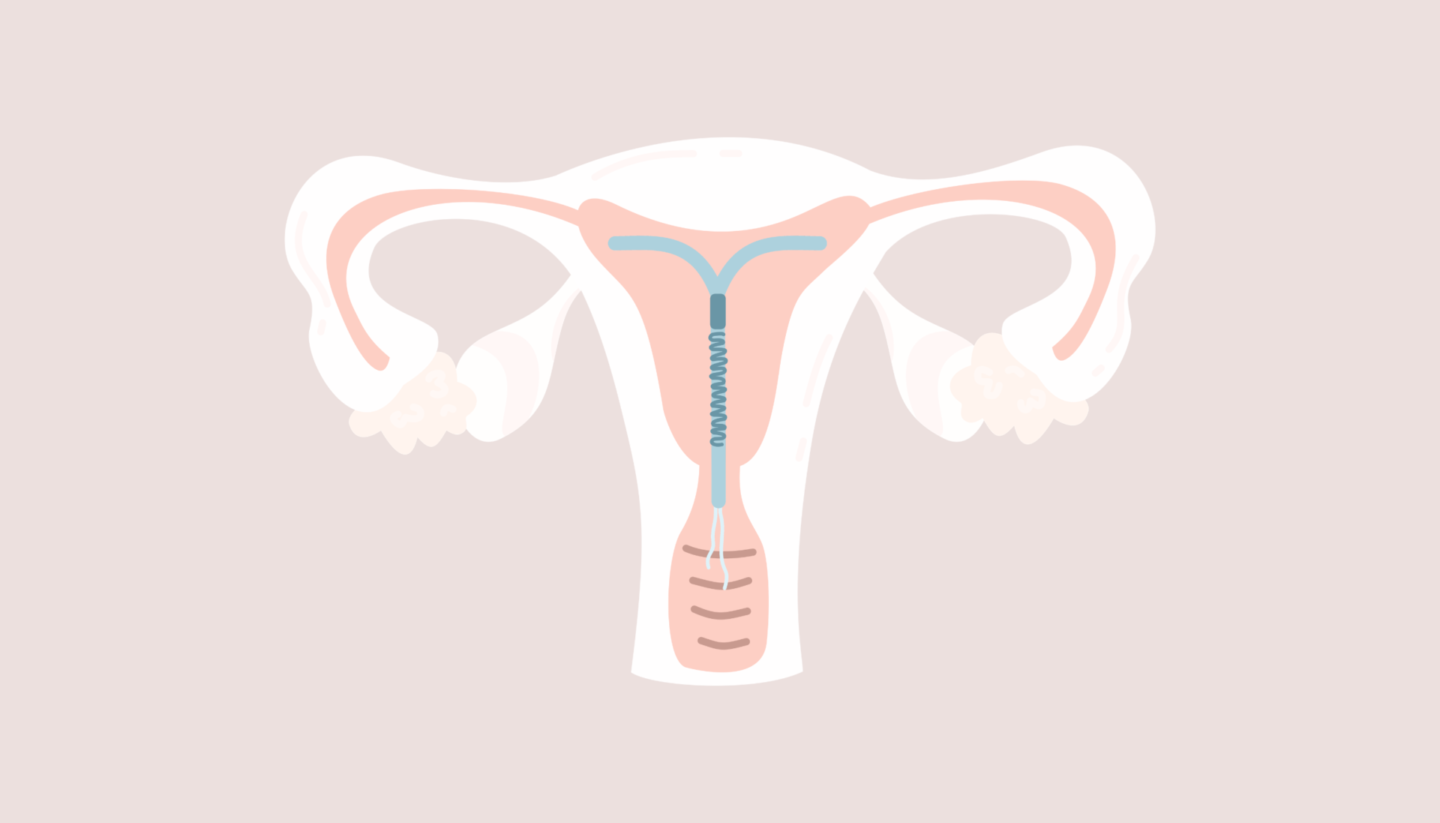
An IUD is a long-acting form of contraception that can stay in place for several years, with both hormonal and copper options available. The right choice depends on things like your periods, your health, previous contraception and what you are hoping to get from it. Dr Peter provides IUD insertion, removal and replacement from his rooms in Parkville, Melbourne including for women who have had a previous insertion that was difficult or unsuccessful.
 Contact Us
On this page
Is an IUD Right for You?
An IUD can be a good option if you want reliable contraception without having to think about it every day. It is also reversible, so it can be removed if your plans change or you decide you would like to try for a pregnancy.
Some women choose an IUD primarily for contraception. Others are also looking for help with heavy or painful periods, particularly with a hormonal IUD. Before deciding, Dr Peter will talk through your health, your periods, any contraception you have used before and what matters most to you.
Understanding Your IUD Options
There are two main types of IUD available: hormonal IUDs and copper IUDs. Both provide long-term contraception but they work differently and can affect your periods in different ways.
Hormonal IUDs: Mirena & Kyleena
Hormonal IUDs slowly release a small amount of progestogen into the uterus. Mirena and Kyleena are the two hormonal IUDs currently available in Australia, with Kyleena containing a lower dose of hormone.
Mirena can provide contraception for up to eight years, while Kyleena can remain in place for up to five years. Both can be removed earlier if your circumstances or plans change.
For some women, a hormonal IUD has the added benefit of making periods lighter and less painful. Mirena is also used to treat heavy menstrual bleeding.
Copper IUD
A copper IUD does not contain hormones. It can remain in place for between five and ten years depending on the device and can also be removed at any time if you no longer want to use it. For women who would prefer a non-hormonal form of contraception, this can make the copper IUD an option worth considering.
Possible Side Effects & Changes to Your Periods
Your periods can change after an IUD is inserted and the pattern depends partly on whether you choose a hormonal or copper IUD.
With a hormonal IUD such as Mirena or Kyleena, spotting or irregular bleeding is common in the first few months. Over time, periods often become lighter and may stop altogether. Some women also experience symptoms such as headaches, breast tenderness, skin changes or mood changes.
A copper IUD does not contain hormones, so it does not cause hormonal side effects. It can, however, make periods heavier, longer or more painful, particularly in the first few months. Not everyone experiences side effects and some changes settle with time.
Dr Peter will talk through what may be more relevant to you based on your periods, health and the type of IUD you are considering.

What to Expect During IUD Insertion
Before the insertion, Dr Peter will talk you through what is going to happen and give you an opportunity to ask any questions. The procedure itself is relatively quick but there is no need for the appointment to feel rushed.
Everyone experiences IUD insertion differently. Some women feel cramping or discomfort, while others find it more painful. Dr Peter will discuss this with you beforehand, including the options available to help make the experience more manageable. If you are feeling anxious, have had a difficult insertion before or have previously been unable to have an IUD inserted, let the practice know when you book. This can be taken into account when planning your appointment so you are not simply repeating the same experience again.
After Your IUD Is Inserted
It is common to have some cramping or light bleeding after an IUD is inserted and some women prefer to take things a little easier for the rest of the day.
Your bleeding pattern may also change over the following weeks or months, depending on the type of IUD you have chosen. Dr Peter will explain what is expected, when your IUD becomes effective as contraception and what changes are worth getting in touch about. Most importantly, you should leave knowing what is normal for you and when to ask for advice if something does not feel right.
IUD Removal & Replacement
An IUD can be removed at any time if your contraception needs change, you would like to try for a pregnancy or it is time for the device to be replaced.
Removal is usually straightforward and if you would like another IUD, Dr Peter can discuss whether replacement can be arranged at the same appointment.
IUD Care with Dr Peter
Dr Peter has more than 30 years of experience in obstetrics and gynaecology and provides IUD insertion, removal and replacement from his Parkville rooms. He also sees women who have had a previous difficult or unsuccessful insertion, taking that experience into account when planning the appointment and discussing options to make the process more manageable.
Book an IUD Appointment
If you are considering an IUD, need an existing IUD removed or replaced or have had a difficult insertion in the past, you can book an appointment with Dr Peter to talk through your options.
Frequently Asked Questions
How long does an IUD last?
It depends on the type of IUD you choose. Mirena can provide contraception for up to eight years, Kyleena for up to five years, while copper IUDs generally last between five and ten years depending on the device. You do not have to keep an IUD for the full time. It can be removed earlier if your contraception needs or plans change.