
Polycystic Ovary Syndrome (PCOS)
Noticing changes in your cycle, skin, weight or energy can feel unsettling, especially when those changes don’t follow a clear pattern or you’re unsure what’s normal. Many people with PCOS spend years feeling confused, dismissed or simply unsure why their body doesn’t seem to respond the way they expect. If this sounds familiar, you’re not alone.
 Contact Us
On this page
What is Polycystic ovary syndrome (PCOS)?
Polycystic Ovary Syndrome, commonly known as PCOS, is a hormonal condition thought to affect around 1 in 8 women in Australia. One of the reasons it can be difficult to identify is that it doesn’t look the same for everyone. The signs and symptoms can be quite different from person to person and they may change over time.
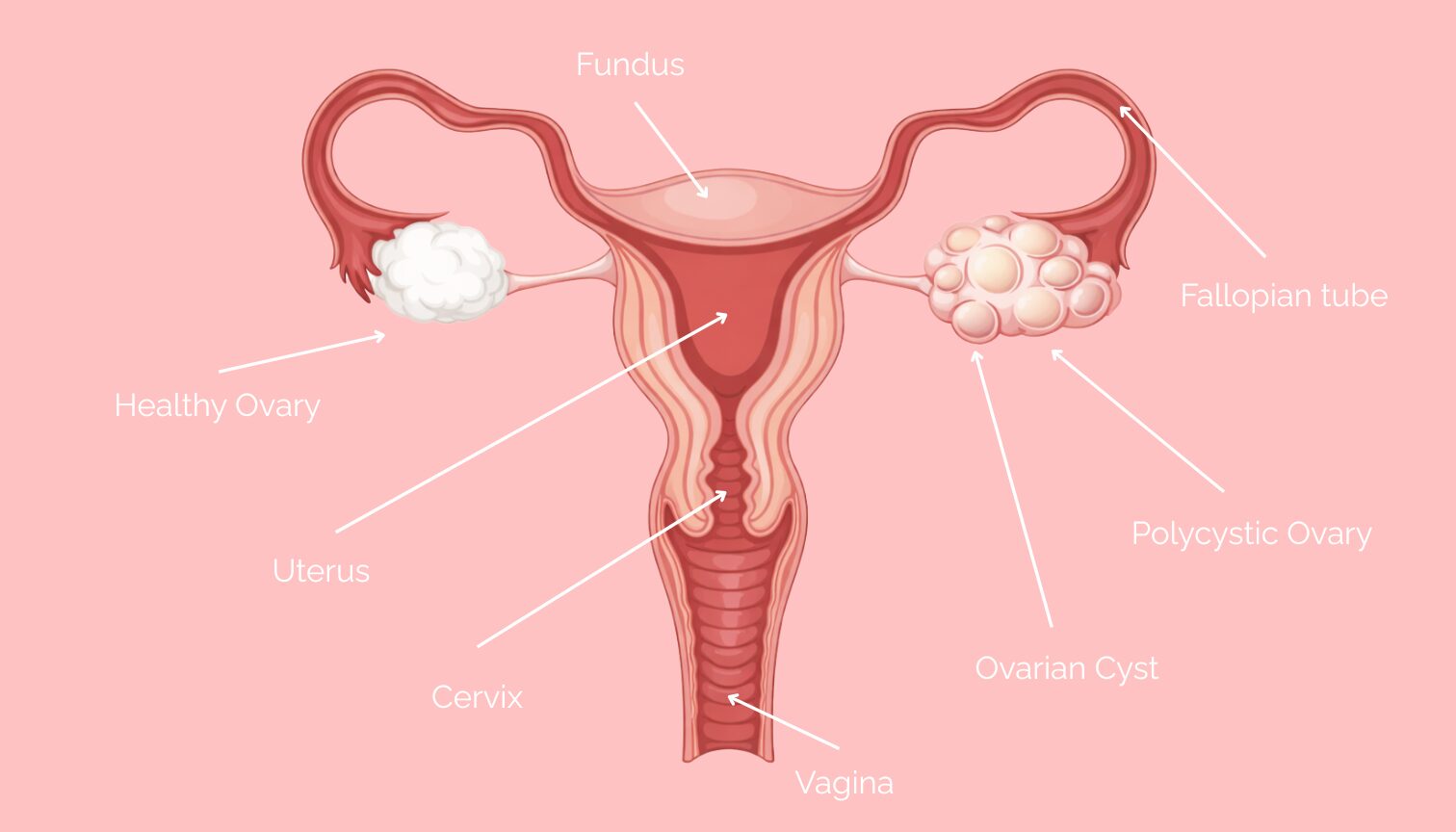
PCOS affects how the ovaries function and how hormones are regulated in the body. For some women, this means higher levels of male hormones, which can affect things like skin or hair. For others, it’s more about how the body responds to insulin, which can influence weight, energy levels and cycle regularity. Often, it’s a combination of factors rather than one clear issue.
Because PCOS can affect each person differently, understanding how it’s showing up for you matters. Taking the time to explore your symptoms, concerns and priorities can help bring clarity and guide care that feels relevant to where you are in life now.
Symptoms and What You May Notice
PCOS can show up in different ways and not everyone experiences the same changes. Some people notice only subtle shifts over time, while others experience a combination of symptoms that gradually become harder to ignore.
Common symptoms include:
- Irregular, infrequent or absent menstrual periods
- Difficulty with ovulation or fertility concerns
- Excess facial or body hair growth
- Acne or persistent skin changes
- Thinning hair or scalp hair loss
- Unexplained weight gain or difficulty managing weight
- Fatigue or low energy levels
- Symptoms related to insulin resistance or metabolic health
If several of these changes feel familiar, an assessment can help explore whether PCOS may be contributing and what support may be appropriate for you.
If several of these changes feel familiar, an assessment can help explore whether PCOS may be contributing and what support may be appropriate for you.
Dr Peter Jurcevic often reminds patients that
“PCOS isn’t defined by one test or one symptom. Understanding the full picture helps guide care that’s right for you.”
Management and Treatment Options
Management of PCOS is individual and guided by your symptoms, health priorities and life stage. There is no single approach that suits everyone. Care focuses on supporting hormonal balance, metabolic health and reproductive goals where relevant.
Lifestyle & Metabolic Support
- Individualised nutrition guidance focusing on balanced, low-GI meals and sustainable eating habits
- Regular physical activity
- Weight management to improve cycle regularity and hormone balance
- Improving insulin sensitivity and metabolic health
- Sleep optimisation and stress management to support hormonal regulation
Cycle & Hormonal Health
- Combined oral contraceptive pills to regulate periods and lower androgen levels
- Progestogen therapy to manage irregular bleeding and protect the uterine lining
- Anti-androgen medications to improve acne and excess hair growth
- Dermatological treatments for acne
Ovulation & Fertility Support
- Ovulation-induction medications when pregnancy is a goal
- Lifestyle optimisation to support natural ovulation (nutrition, exercise, weight management where appropriate)
- Metformin to support ovulation and metabolic health
- Ovulation monitoring when needed (blood tests or ultrasound)
What to Expect in Your Appointment
Your appointment is designed to be thorough and supportive. Dr Peter will take time to understand your symptoms, concerns and health priorities, as well as how these may be affecting your daily life.
The consultation usually includes a detailed discussion of your menstrual and hormonal symptoms, medical history and any previous investigations. Where helpful, further testing may be arranged to clarify the diagnosis or guide next steps in care.
Following the assessment, Dr Peter will talk through the findings with you and explain the available management options. This is a good opportunity to ask questions and discuss any concerns. Follow-up appointments may be recommended to review results, adjust care or monitor progress. The aim is for you to leave feeling informed, supported and confident about what comes next.
Why Choose Dr Peter Jurcevic
Choosing the right specialist matters, particularly when symptoms affect multiple areas of health. Dr Peter Jurcevic is an experienced Obstetrician and Gynaecologist in Melbourne with a strong focus on personalised care. He understands that PCOS can affect many aspects of well-being across different life stages.
Patients often appreciate Dr Peter’s calm and thoughtful approach, as well as his clear communication. Care is not one-size-fits-all. Management plans are shaped around what matters most to the individual, taking into account symptoms, priorities and longer-term health considerations.
Where appropriate, Dr Peter works closely with other healthcare providers to ensure care is comprehensive and well coordinated. If you would like to discuss your concerns or explore whether an appointment may be helpful, support is available.
We’re Here To Help
If something doesn’t feel quite right, or you’d like to talk through your options, please get in touch using the contact form below.
FAQs
Can you have PCOS without cysts on the ovaries?
Yes. PCOS can be diagnosed even if ovarian cysts are not present. Diagnosis is based on a combination of clinical features and investigations.