

12 December 2025
What Is PCOS? A Clear Guide to Symptoms, Causes and Diagnosis
9-minute read.
Polycystic Ovary Syndrome or PCOS, is a condition that affects 1 in 10 women in Australia, yet it’s still widely misunderstood. For many, trying to make sense of symptoms or find reliable information can feel confusing, especially when experiences vary so much. If you’ve ever wondered what PCOS actually means, how it shows up or how doctors diagnose it, this guide offers a clear overview to help you understand the condition with confidence.
Table of Contents
- Key Takeaways
- Understanding PCOS. The Basics
• How PCOS Affects Your Body
• Who Is Most at Risk and Why It Matters - Recognising Your Signs and Symptoms
• Common Physical Changes You May Notice
• What Hormonal and Metabolic Symptoms You Should Look Out For - Diagnosing and Managing PCOS
• Medical Tests and Criteria for Diagnosis
• Treatment and Support Options That May Help You - When Should You Seek Help
- How Dr Peter Can Support You
- Gentle Ways to Support Your Body
- Frequently Asked Questions
- Conclusion
- Resources
Key Takeaways
- PCOS is a hormonal and metabolic condition that affects menstrual cycles, ovulation, skin, hair and overall health.
- Symptoms vary widely and can change over time.
- Diagnosis requires a combination of history, blood tests and an ultrasound.
- Early assessment helps reduce long-term risks such as diabetes and cardiovascular disease.
Effective management is available, and treatment is tailored to each person’s symptoms and goals.
Understanding PCOS: The Basics
How PCOS Affects Your Body
PCOS is a hormonal condition that affects how the ovaries function. Although the name refers to the small follicles or “cysts” that may appear on the ovaries, the condition involves broader hormonal shifts that influence many areas of health.

These hormonal changes can lead to irregular or missed periods, which may make it harder to predict your cycle or conceive. Higher levels of androgens, sometimes called “male hormones”, can also contribute to symptoms such as acne, excess hair growth or hair thinning.
PCOS can also affect the way the body processes sugar. Around 75% of people with PCOS have some degree of insulin resistance, which may cause fatigue, cravings or changes in energy. Understanding this connection helps explain the wide range of symptoms that show up physically. It’s important to note, these changes are manageable, and early support can make a meaningful difference.
It’s also common for PCOS to influence emotional well-being. Research suggests that people with PCOS are up to three times more likely to experience anxiety or depression, often linked to the physical symptoms, hormonal fluctuations or the uncertainty that comes with diagnosis. Having clear information and the right support can make navigating these experiences feel far less overwhelming.
Who Is Most at Risk and Why It Matters
PCOS is one of the most common endocrine disorders, affecting up to 13% of women in Australia. It can occur at any age after puberty, although many diagnoses are made in the late teens to early 30s when menstrual irregularities or other symptoms start to stand out. Genetics can play a role, so having a family member with PCOS may increase your likelihood of developing it. Lifestyle factors, including diet and weight, can also influence how symptoms present and how severe they may feel.
Even though PCOS is common, many people remain undiagnosed because the symptoms can be subtle or easily mistaken for other issues. This is why awareness is so important. PCOS can present in many different ways and it’s not unusual for people to overlook early signs or assume they’re unrelated. Recognising these changes sooner can help ensure the right support is accessed earlier.
Recognising Your Signs and Symptoms
Common Physical Changes You May Notice
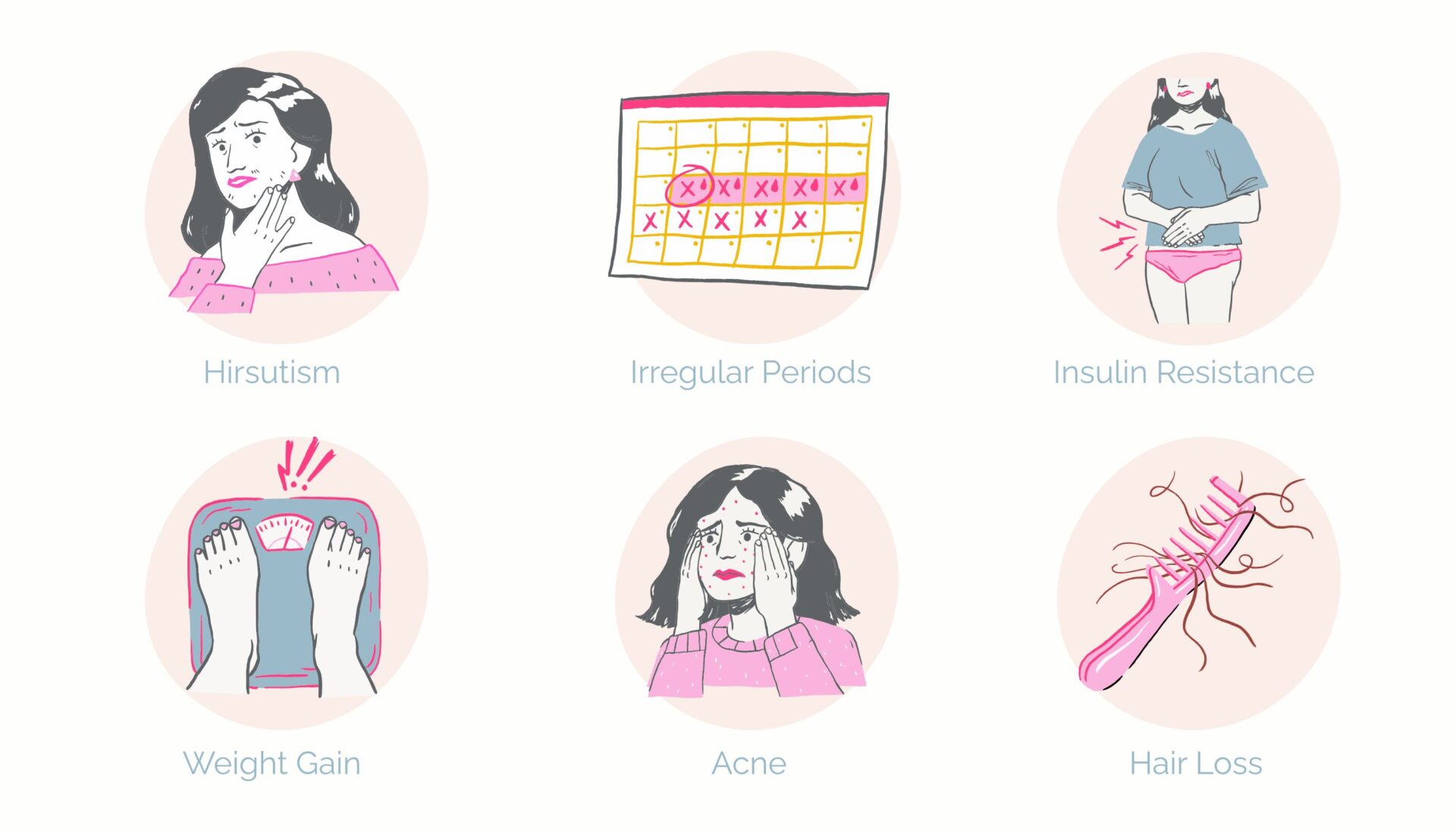
One of the most common signs of PCOS is irregular periods. Up to 90% of people with PCOS experience irregular or absent ovulation, which may look like cycles longer than 35 days, having fewer than eight periods a year or sometimes no period at all. Some people also experience heavier bleeding, known as menorrhagia which can lead to anaemia if left unmanaged.
Another physical change many people notice is excess hair growth, known as hirsutism. This often appears on the face, chest or back and can understandably be distressing to manage. Acne and oily skin are also common, especially when they continue beyond the teenage years. Some people develop dark, thickened patches of skin called acanthosis nigricans, usually around the neck or underarms, which can indicate hormonal or metabolic changes.
Weight gain or difficulty losing weight is also commonly reported, although PCOS can affect people of all body types. Some individuals experience hair thinning or male-pattern hair loss, which can be particularly upsetting to navigate. These physical changes can understandably influence how someone feels about their body and confidence, and over time, this can create a cycle of stress that makes symptoms feel even harder to manage.
What Hormonal and Metabolic Symptoms You Should Look Out For
PCOS is driven by hormonal changes, and these shifts can affect more than just the reproductive system. Higher levels of androgens can contribute to visible symptoms, but they also influence how the body functions internally. One of the most important metabolic features of PCOS is insulin resistance, which means the body doesn’t respond to insulin as effectively. This can lead to higher blood sugar levels, increased sugar or carbohydrate cravings and changes in energy throughout the day.
Insulin resistance can also make weight management more challenging and, over time, may increase the risk of developing conditions such as type 2 diabetes or cardiovascular issues. Many people notice symptoms like fatigue, brain fog or difficulty staying focused. Sleep disturbances are also reported, which can add to feelings of tiredness and affect overall well-being.
Hormonal changes can influence emotional health as well. Some people experience shifts in mood, anxiety or low mood, often linked to the physical symptoms and the stress of trying to make sense of what their body is doing. These experiences are common and valid. Creating a supportive environment and seeking guidance when needed can make navigating these changes feel more manageable.
Diagnosing and Managing PCOS

Medical Tests and Criteria for Diagnosis
Diagnosing PCOS isn’t as simple as running one test. Doctors look at a combination of your medical history, symptoms, blood tests and an ultrasound to build a clearer picture of what’s going on and to rule out other possible causes.
What your doctor may assess:
- Medical history to identify patterns in your menstrual cycle, any changes in weight and symptoms that may suggest hormonal or metabolic changes
- Physical examination to check for features such as excess hair growth, acne or scalp hair thinning
- Blood tests, which may include:
- testosterone
- luteinising hormone (LH)
- other reproductive hormones
- glucose and insulin (to check for insulin resistance)
- lipid levels
- liver function
- Pelvic ultrasound to check the appearance of the ovaries
Understanding the Rotterdam criteria
Because PCOS looks different for everyone, doctors don’t rely on just one test to diagnose it. Instead, they often use what’s known as the Rotterdam criteria. It’s a simple way of bringing together the most common features of PCOS to build a clearer picture.
A diagnosis is usually made when at least two of the following are present:
- irregular or absent ovulation
- signs of elevated androgens, either through symptoms or blood tests
- Polycystic ovaries seen on ultrasound
It’s also helpful to remember that you don’t need cysts on your ovaries to have PCOS. Some people have clear ultrasounds and still meet the criteria based on their symptoms or hormone levels. This is one of the reasons PCOS can be confusing and why a full assessment is so important.

Treatment and Support Options That May Help You
Lifestyle changes are often the starting point. Focusing on balanced meals, regular movement and gradual, sustainable habits can help improve insulin sensitivity and support hormone balance. Eating a variety of whole foods, such as vegetables, fruits, lean proteins and healthy fats, can help stabilise blood sugar levels. Regular physical activity, whether that’s walking, strength training or something you simply enjoy, can also play a helpful role.
Your doctor may suggest medication depending on your symptoms and goals. This can include treatments to regulate your menstrual cycle, reduce the effects of elevated androgens or support insulin resistance. For example, birth control pills are often used to regulate periods, while medications like metformin may help with insulin sensitivity. In some cases, anti-androgen medications such as spironolactone can help manage acne or excess hair growth.
For those hoping to conceive, fertility support may be recommended. This might involve ovulation induction medications or, in some situations, assisted reproductive technologies such as IVF.
“
PCOS looks different for everyone. What matters most is finding the approach that works for your body and your goals.”
Dr Peter Jurcevic – Melbourne-based OBGYN
Emotional well-being is an important part of PCOS care, too. Dealing with ongoing symptoms can be challenging, and many people experience worry, frustration or changes in mood. Counselling, support groups or simply speaking with someone who understands your experience can make the journey feel less overwhelming. With the right guidance, many people find that a combination of treatments and lifestyle adjustments helps them feel more in control of their symptoms.
When Should You Seek Help
It can be helpful to speak with a doctor if you’re noticing changes in your menstrual cycle, skin, weight or overall wellbeing and aren’t sure what they mean. PCOS affects everyone differently, so early guidance can make it easier to understand your symptoms and work out what the next steps might be.
You may benefit from a medical assessment if you experience:
- irregular, infrequent or absent periods
- difficulty falling pregnant
- persistent acne, excess hair growth, or scalp hair thinning
- unexplained weight changes or difficulty managing weight
- signs of insulin resistance, such as fatigue after eating or darkened skin patches
- mood changes, anxiety, or low mood that affect day-to-day life
- If your family has a history of PCOS or metabolic conditions like type 2 diabetes
Reaching out doesn’t mean there’s something wrong. It’s simply a way to understand your body better and feel supported as you navigate your symptoms. With the right assessment and guidance, there are many ways to manage it that can support both your reproductive health and your overall well-being.
You may also find the Jean Hailes PCOS fact sheet helpful as you learn more about your symptoms or get ready to speak with your doctor. Download it here.
How Dr Peter Can Support You
Managing PCOS often means bringing together an understanding of your symptoms, your overall health and what matters most to you. Dr Peter Jurcevic takes a calm, thorough approach to assessment, looking at your menstrual history, hormone patterns and any concerns you may have about fertility or general wellbeing.
He works with you to make sense of your symptoms, explain your test results and talk through management options that suit your needs. Many people find that having clear guidance and a supportive space to ask questions can make navigating PCOS feel less overwhelming and more manageable.
Gentle Ways to Support Your Body

Navigating PCOS can feel overwhelming at times, but you don’t need to change everything at once. Small, steady shifts often make the biggest difference, especially when they help you feel more connected to your body and what it needs.
Here are a few gentle approaches that may help:
- Get to know your cycle. Try tracking not just the dates, but how you feel throughout the month. This can offer helpful clues about patterns in your energy, mood or symptoms.
- Nourish to stabilise. Focus on adding foods that support steady energy, such as protein, fibre and healthy fats. Thinking about what you can include, rather than restrict, often feels more sustainable.
- Move in ways that feel good. Choose movement that brings ease rather than pressure. A walk, pilates session or simple stretching can support hormone balance without feeling like a chore.
- Protect your rest. Quality sleep is essential for hormonal health. Keeping a consistent bedtime and winding down gently can help your body reset.
- Notice your symptoms. Keeping a simple record of changes in mood, skin, energy, or appetite can help you understand patterns and give your doctor helpful insight.
- Advocate for yourself. Walking into a doctor’s appointment with a prepared list of questions can help you feel more in control and ensure your concerns are actually heard.
These steps aren’t about perfection. They’re about understanding your body and finding habits that support your wellbeing in a way that feels achievable for you.
Frequently Asked Questions
Does PCOS make it harder to fall pregnant?
PCOS can affect ovulation, which may make conception more challenging, but many women with PCOS do conceive with the right support.
Can PCOS be cured?
PCOS is a long-term condition, but symptoms can be effectively managed with lifestyle strategies, medication, and medical guidance.
What is the difference between PCOS and endometriosis?
PCOS is a hormonal condition affecting ovulation, while endometriosis involves tissue similar to the uterine lining growing outside the uterus. They are separate conditions but can sometimes coexist.
Do I need medication to manage PCOS?
Not always. Some people manage symptoms with lifestyle changes alone, while others benefit from medication, depending on their goals and symptoms.
Conclusion
PCOS can influence many areas of physical and emotional health, but understanding the symptoms, causes and diagnostic process can make the journey feel far less overwhelming. With the right support, many people find ways to manage their symptoms, improve their wellbeing and feel more confident in their day-to-day health.
If you’re noticing changes that concern you or would like guidance tailored to your situation, you’re welcome to reach out to the clinic or arrange an appointment when it feels right. Dr Peter and his team are here to offer supportive care at every stage.
We’re Here To Help
If you would like to talk about PCOS, ask a question or explore your next steps, you are welcome to reach out using the contact form below.
Resources:
HealthDirect Symptom Checker
Access Support with Qendo tel: 1800 275 573636
HealthDirect Factsheet
Dieticians Australia
Jean Hailes – Could I have PCOS Symptom Checklist


